最近台灣關於婚權的辯論,讓我想到Eve Sedgwick所談到酷兒理論和運動中的paranoia(偏執)。在北美的酷兒脈絡之中,社群中paranoia的形成和八〇年代AIDS/HIV運動有極大的相關,因為政府斷絕關於AIDS/HIV醫療訊息的來源,並且同時對公眾散播"同性戀=愛滋"諸如此類的恐慌語言,許多conspiracy theory產生,連帶著一種酷兒社群中的情緒:"you can never be paranoid enough"。而這樣的偏執在當時是非常能夠被理解的,畢竟也許"the government is really out there to kill you"。但在AIDS/HIV整體的資訊和服務更透明化後,這樣的paranoia持續殘留在酷兒社群之中。九〇年代時候隨著第三波女性主義的發展,新時代的“性難民”成為被第二波女性主義給邊緣化的有色人種酷兒、跨性者、性工作者、執行非傳統性愛/親密關係者(如BDSM、多重伴侶關係、跨世代交往等等)。這些性邊緣者在2005年前後的反同志婚姻論述被當作是“不婚”的性主體,連帶著當時酷兒社群中對於布希中東戰爭等等的批判,形成一個所謂"基進酷兒"的路線。近乎十年之後的現在,隨著新自由主義的發展,十年前的性難民身份被fetishize並且收編進入NGO系統。在紐約,妳是pre-op跨性者嗎?妳是有色人種移民酷兒嗎?妳是全素性工作者嗎?嘿,we've got a NGO for you!!!
當這些邊緣的性主體被NGO系統視為可獲利對象,這些性身份在某種程度也被酷兒文化給視做是生活的指標,於是(當然相對邊緣的)酷兒文化中形成了新的“基進指標”甚至是檢視自身性活動的恐慌因子。這十年來,我不知道已經聽過多少同志婚禮的新人,都要花上至少半小時“解釋”或者“正當化”她們為什麼走上婚姻這條選擇,在反婚的酷兒座談,年輕的酷兒們焦慮自己支持婚姻是不是政治不正確,或者是在日常酷兒dating的文化中,多重伴侶成為必要的常態。這不禁讓人想起七〇年代的學術女性主義是如何批評"Butch/Femme"的落後性,強調androgyny(中性/不分)的新主流。這種由個人生活形態形成的批判,似乎都是某種社群中paranoid的自我監視和分化,將原本運動串聯的可能性,fetishize成為個人的身份認同,並且互相監視,讓偏執的情緒成為default position。
在2007年的文章中(Melanie Klein and the Difference Affect Makes),Eve Sedgwick引用女性主義精神分析師Melanie Klein的object-relation的理論,反思現今這種北美酷兒理論和運動的偏執常態,其實是一種最初期的防衛機制,硬將自我和情感對象分開,才能繼續將情感投入於"修復"情感投射對象,也強化了自我的depressive, anxious被傷害的負面情感狀態。Paranoid的位置並且容易將時間給停滯,我們不再重新審視歷史,讓相同的理論不斷地延續自身的生命性,並且一直將自己置於被害的恐慌。而如何從這樣的防衛機制離開,沒有明確的指標或者答案,但是對於社群偏執常態的反思似乎是重要的。北美比較有規模運作的"基進酷兒"團體Against Equality(http://www.againstequality.org/),如今逐漸將運動轉移至對於Non-profit Industrial Complex,這收編了許多曾經被視為"性難民"酷兒的新自由主義機器的反思。當我們曾經被視為邊緣的身份都能被資本主義撿起並領取薪水時,我們的下一個敵人並不再是自己的或彼此的性身份,而是整個勞動系統本身?如何將這種paranoia從對彼此的審查和分化轉移,不再讓paranoia成為唯一的酷兒可能性/未來性?
Showing posts with label movement. Show all posts
Showing posts with label movement. Show all posts
Thursday, October 24, 2013

Tuesday, May 7, 2013
城市的常態漂離

因為心中越來越確定了我終將搬離紐約的這個計畫而莫名感傷。三年了我正要開始完全熟悉的這個城市,我在下城東村這五個街區中固定的生活作息,L線和6號線上每個地鐵站的同志和hipster比率。今日第一波的教師抗爭結束後,從西雅圖和我同時搬來紐約的朋友c和心理系上的丹麥朋友n告訴我:妳永遠都不會完全離開的,妳是這個城市的一部份,因為妳在這裡踏實活過。我想起在紐約的第一年,參與了每個大大小小荒謬或無聊的遊行,印製自己糟糕排版的黑白傳單,沒有任何美感可言,跟總是步伐太快又壞情緒的紐約路人試圖談論經濟危機,或者在佔領華爾街期間露宿公園握著廉價咖啡的冷和溼。我給過這個城市我能有的熱情,也感謝被某些同樣是過境的人給接納了。週末在Tompkins Square Park讀著Jose Esteban Munoz的酷兒未來性時,看著被過分照顧的小狗們幾乎就要難過起來。究竟有誰會記得我,像是我記憶著這個城市的私密細節?越來越多區域的同志婚姻可行了,仍是沒有哪裡真的像家。朋友都越般越遠進入穩定的居家感情生活,分散世界各地。愛過的人不再有交集。接下來的這個年紀似乎越來越難和人們真實地靠近。我發現自己更常整日靜默只和腦中的自己對話。這十多年來所住過的城市,我一個個在心中安置,不喧譁也不特別霸道地存在著。就像她們所說的:這樣漂離的心境會跟隨著妳到未來的每一個地方。
如此進入,必要的寂靜之年。
Thursday, April 11, 2013
本週太早醒來之時差生活記事

1. 必須承認我非常熱衷於Mad Men,幾乎是我想要開始梳油頭的原因。
2. 最近幾條關於同志平權的法律在美國鬧得沸沸揚揚,同志婚姻/伴侶權的討論不斷出現於主流媒體和私人網頁。某種程度又激發了許多酷兒個體對於婚姻的焦慮:我要不要支持結婚?我到底要不要選擇結婚?我仍是認為這種將結構議題變成個人消費選擇的力量就是權力最恐怖的地方。「這個運動究竟是否在這個時機和這個地方是社會正義的或策略性合理的」問題常常變相成為「我支持哪種論述才能成為最基進的自我」。批判應該從制度和策略層面下手,而不是個人的false consciousness,那樣的言論和保守論述沒有兩樣。同志婚姻的反動力量一直來自於它如何掩蓋了其他酷兒議題,尤其當它化身某種個體的心理焦慮。這兩天在紐約的Homonationalism and Pinkwashing Conference,很明顯地關於同志婚姻的辯論已經不再成為主要焦點或者基進/非基進二元分法的分歧點。
3. 歐巴馬這次的工作簽證抽獎制度實在是太陰險了。剛剛才申請工作簽證的S說:「我為什麼要這麼辛苦去保留這個我一點都不喜歡的工作,就為了留在這個一點都不想要我的國家?!」粉碎吧American Dream,和這個季節的暴風雨一起。
4. 持續著每日早晨七點半到巷口咖啡廳的習慣。熟悉的吧檯手問我:「什麼時候回來的?」「兩天前。」我說。他幾乎無奈地問我說:「什麼時候再離開?」「43天。」我笑說。
5. 我意外地想念紐約的春天和夏天即將到來時,空氣中因為熱度散發的酸,幾乎有某種亞熱帶的城市氛圍。
Sunday, March 17, 2013
我們總是在失敗那又如何

眼看距離上海/北京的行程只剩下不到一週,我在一點春意也沒有的紐約焦慮著處理緊急的工作項目。仍是相當地冷,抽煙抽得很急。在上東城設有專門放昂貴嬰兒車的法國早午餐店,和短期待在紐約進修我大學時期的心理系教授見面:她在史丹佛求學認識早禿卻英俊溫柔的醫師丈夫,他們一歲的小女兒,他們西雅圖首都丘上的四房一廳,他們關切著yelp review四星半以上評價的餐廳——對於某些人看似輕易完美的人生感到不可思議,比對著自己註定歪斜的參差不齊的人生。某種精神分析的機制讓我從來沒有忘記,自己的父親曾經如何對旁人半開玩笑地說,這是我走歪的女兒。我卻再沒有任何抱歉或者羞愧,從來就不信仰那種努力必有成就的菁英制度,只是更加覺得這一切的辛苦,投入的心力,真的不能夠用任何客觀人生終點的回饋來衡量。而是在這過程中我們建立了什麼,也許是一種新的視角,另一套的社會關係。和長期的運動同志朋友c說,是啊我們兩年多來的抗爭,也許無法對於整個轉型中的教育制度有什麼大方向的改變,但若是冷冷看著自身和所關注人身邊的災難發生,卻不做任何行動,那又是什麼樣可怕的無感的抽離人生。我想要在過度消費和娛樂的生活之中和這世界更靠近,和真實的自己更靠近。我所有做的,包含愛情,和有時必要的孤寂以及無法避免的挫敗,都是在回答這個關於存在的問題。
Sunday, November 11, 2012
酷兒之必要
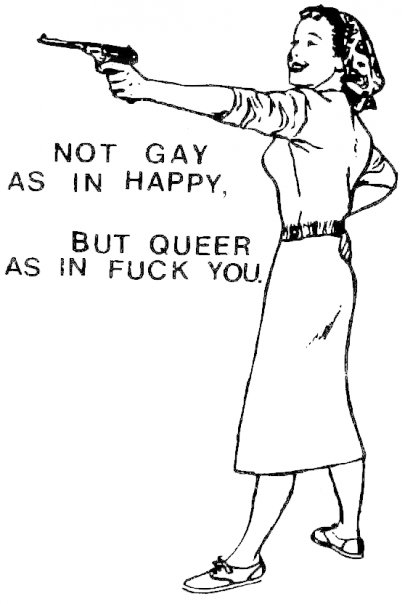
和d一起準備紐約這禮拜五的座談內容,講到關於文學創作,其實抱持著太多的理論概念都會讓創作的開始更加困難。在寫做過程中如何說好一個故事還是最重要的目標。如何將故事置入於社會結構背景那是評論家的工作。在寫《集體》時我非常自覺地做著兩者,也許兩者都只做了一半,無論如何這都是一個實驗,即便粗糙笨拙野蠻。對於創作者,聽見評論者的聲音都是好的,最怕是被忽略,那麼這些時代感受的故事就要被歷史給遺忘了,那有多麼感傷。「究竟為何而寫」是我不斷追問自己並且審視的問題。許多創作的朋友,音樂的影像的,總是告訴我他們不為了什麼而特別創作,而那作品出來最終會有它對群眾表態的方式。我不曉得是否文字的媒介不同,但那對我來說是一個高度自覺的過程。必須有人去做一種不完美的酷兒詮釋,消費主義下的情慾挫敗,國族認同/離散,和女同志的政治性,即使到最後這些概念的顯現模式是一種圈內人才聽懂的inside joke,我覺得那又有何不好。在異性戀的美眉肌肉男時裝三百種搭配的大眾潮流之下,仍是有不同樣貌的酷兒喧鬧或靜默地持續進行著。我想這會是我(在另外三十個人生目標之外)持續想書寫的動機。
Tuesday, June 5, 2012
以書寫揭開(總是)公眾的私密場景。

從麻州海濱的同志小鎮渡過颱風雨的安靜假日後,回到紐約又開始了「必須工作」的焦慮。在度假後的沈穩睡眠醒來的早晨,回到同一個街角的咖啡廳看書。我想也許每個人人生都被安排著只能書寫一定數目的文字:當我寫著文學類的敘述時就無法寫學術的文章,當我開始寫學術的論文時就無法書寫文學了。於是在無法徹底下定決心改寫論文時,我寫了一個類似論文的小說後記(的後記)。書寫者的矛盾和悲哀!賴香吟在《其後》中寫到:「那依舊是一個平整乾淨的年代,乾淨得像天永遠是藍的,愛永遠是甜的;世界只是如肉眼所見,領袖就是領袖,百姓就是百姓:男人就是男人,女人就是女人;對就是對,錯就是錯;近朱者赤,近墨者黑,一個好人應該遠離罪行。」如果九〇年代的女同志文學在應對的是這樣的一個世界,形容著女同志愛情的畸形、地下、和禁忌的歡樂與苦痛,那麼二十年之後,我感覺我們在面對的是一個雜亂的身份和酷兒的狂歡過後尚未成型的政治世代:男不是男,女不是女,同志不只是同志,酷兒超越酷兒——以及,領袖勾結領袖,百姓否認百姓。在這「性/愛」已經快要被書寫飽滿的世代,什麼才能是「七年級」甚至「八年級」的酷兒和同志文學?
女同志的處境無論國界和男同志的處境一直都是不同的,女同志總是面對著一時竄起又幻滅的公眾場所,沒有穩定的收入,穩定的身份界限,女同志社群總是面臨著被隱形化的困擾。女同志酒吧一個開另一個就關(或被男同志佔領),咖啡廳類的文藝場所總不會也不敢開門見山地女同志,所以女同志都在哪裡聚集呢?在網路上、在市集、在分散地政治會議之中。女同志的社群一直都是存在的並且政治公眾的,卻越來越少被如此實地的書寫,而女同志文學總是被框架在「情/愛/慾」的陷阱之中。我想我是膩了女同志生活總是被局限於愛或不愛,性或不性,出櫃不出櫃的問題(即便這是生活之中真實的困擾),而嘗試打開,擴張,讓原本就是和公眾無法脫離的私密場景再次地出櫃。《集體心碎日記》不過是在這個世代的文化危機中一個粗糙的實驗,紀錄著一群用力、用身生活的女同志/非女同志。在末日/革命來臨之前。
Friday, April 20, 2012
春。轉變期的小病。
放完一天八小時都在工作的春假後突然重感冒,也不曉得是因為季候突然轉換或者是抽了太多煙的關係。想到五十份總共四百頁的學生期中考論文就感到頭痛。我想要多麼仔細地一個個寫評語,但最後的精力只剩下不斷複製的驚歎號比如「good job!!!」或者「excellent!」。上禮拜六,在以The Smiths為主題的酷兒派對上突然讓我想到西雅圖的一切,hipsters和春天,可以在酒吧外面帶著微醉的意識聊著瑜伽或者單手捲煙技巧,然後突然遇見白天才在反都更社區住戶會議的亞州裔組織者,帶著同等的醉意從同一個酷兒派對走出來。禮拜日,佔領華爾街在中央公園有著春季的大型集會,我們帶著反非營利組織剝削的文宣,野餐毯子,和太陽眼鏡像是去郊遊。一瞬間認不出來之前在集會遇見的左翼份子,就連我們馬克斯女性主義者師母sylvia,也戴著超大的遮陽帽子和全黑的墨鏡,像是從南義大利來探親的遊客。春天,將一切規則打亂。我戰戰兢兢地讀著從台北寄來自己第二本書的一稿,想著自己究竟變了多少?早起教書寫字,惡夢少了,心情平靜了。我課上一名五十多歲的學生寫了個卡片給我:「Prof. Liu: Just want to tell you how much I appreciated your class and you always incorporated Web U-tube」然後感覺在這世代交錯的勞力剝削公立系統中存活下來,好像也是值得的。
Friday, July 29, 2011
這個早晨在變換的城市區塊我想著《A Streetcar Named Desire》
情緒快要被內部的政治鬥爭消耗殆盡。其使我也會擔憂呀,離開了這個圈子以後,我還能在哪裡找到同志落足?妳們聽我說美國的運動史頭頭是道,但我自己的歸屬感又有幾分呢?
紐約什麼也沒有變。地下鐵的悶熱讓人煩躁。但我習慣了這個城市的匿名感。我可以是任合一種人,任何一種身分。即便是跨過了houston從壞情緒的當地人突然搖身變身成為消費觀觀客的樂趣。我們總是泡在傢具店內,熱衷討論著無法擁有的人生。
這次再飛回去,剩下三個禮拜在台灣,我能夠完成什麼呢?總是帶著這種被卡在時空中的情緒。有太多的歷史被翻攪卻不夠時間分析。太多的新關係來不及去好好解讀到貼心。我總是害怕失去了真誠了解的機會。你們會記得我嗎?我會記得妳們嗎?在忙碌之中,我很快地又會變成了我自己都不認識的陌生人,在城市中扮演著各個角色:助教、女朋友、好學生、大聲嚷嚷又愛抽煙的左翼青年、厭世的寫作者。我對生命的興趣被早晨的第一口咖啡的濃稠度給牽制著。
Thursday, October 14, 2010
a blog post me and JOMO wrote in response to the recent anti-queer violence and gay marriage debate
The gay marriage debate has take over all the attention from the queer movement left and right. The right wing is consistently and stubbornly denying the existence of queer folks by saying that it’s an immoral choice of lifestyle. The liberal gay and lesbian organizations are continually pulling millions and millions of dollars to appeal to the state for marriage equality under the rhetoric of “we are all the same.” On the other hand, queer separatists are fiercely combating the liberals with the slogan: “we are totally and absolutely different from the heteros,” and have made good points on criticizing the oppressive patriarchal nature of the institution of marriage and how queers should not seek this type of inclusion (see: against equality). However, these critiques have not necessarily been able to generate an alternative grassroots movement which can seriously take on the demands of those queers who are marginalized--queer people of color, trans folks, working-class queers, queers with disabilities, and third world and immigrant queers--from all of the above approaches.
There has been a series of intolerable queer violence that occurred very recently in the country--torture, youth suicide, school bullying--while the violence is nothing new to queer folks, it is urgently calling for the communities’ response to these issues. Though the liberals are posting heartwarming videos and articles and holding vigils saying that “it gets better” (Dan Savage’s video), we know that the fight cannot end here. As oppressed folks we know that queer oppression does not end when we graduate from high school bullying and move to San Francisco and suddenly become successful professionals who hang out in fancy bars and overcome all of our internal and external conflicts. (QPOC’s responses to queer youth suicides: “It doesn’t get better. You get stronger” and “For colored boys that speak softly”) The liberals see gay marriage as the end of the queer struggle, and have this fantasy that if gay marriage was legal national-wide, then soon it would “trickle down” to the marginalized communities and thus end all queer oppression.
We know for a fact that the gay marriage demand alone is incapable of solving our problems of physical, psychological, and economic violence, but instead normalizes a different though limited type of family under capitalism. Criticizing the approach of marriage equality alone has not helped much with movement building either. The debate overall has clearly not been very productive so far, but instead, it has instigated so much anxiety among the queer communities--many politically conscious queers are having panic attacks just over the moral decisions of choosing to support and/or participate in gay marriage if they had the rights to do so. All this overwhelming anxiety around the gay marriage issue is exactly because that there has not been an alternative queer movement that can channel the energy, and this debate has been monopolized in the framework of “individual choice” and “individual freedom.” Under this liberal ideology, many queer folks think that, of course we should have the right as individuals to choose who we love, who we want to have sex, and who we want to have family with! If straight people do why can’t we?! While queer folks are absolutely discriminated against by the heterosexist state which should not be tolerated, seeking freedom under this individualist ideology has not gotten us too far. Instead of carving out a tiny gay space out of the small stream of bourgeois, legislative rights, can we imagine a kind of sexual freedom that is for all people? A kind of freedom where a single mom is able to bring up her child without feeling obligations to marry? A kind of freedom that no one would be restrained in pantyhose at work anymore? A kind of freedom that as a culture we are finally not tabooed to talk about sex, but does not idealize or professionalize it either? A kind of freedom that everyone would play with gender without shame, and a culture that no youth would commit suicide because of school bullying, or because they might just have a different sexual fantasy? A kind of place that no one would be afraid to walk the streets at night, where none of our body parts-- our brains or our genitals --are pathologized. A kind of freedom that is multifaceted, and does not merely carve out a different shape of box to fit in a particular sexuality, but opens up the possibility to more creative desires for everyday folks.
The mainstream gay movement today has hijacked the revolutionary sexual liberation movement in the 70s and turned it into a short-sighted individual rights agenda. They assume that every queer person has the same class position and desires the same kind of American Dream. Their answer to the queer working-class concern is that marriage can help poor folks get access to spousal benefits such as health insurance--which is fundamentally contradictory. For instance, many of our partners do not have health insurance in the first place because we do not have stable jobs or jobs that offer it in the first place. That said, the issue of gay marriage should not merely be decided by who participates in it. Rather, we should ask--who are the people controlling the movement? Whose voices are not heard? And, what is our alternative? While having equal rights can perhaps open up more space for our struggle, we cannot let the liberals such as the Human Rights Campaign and Democrats define our movement. We also cannot let the queer separatists defeat us and push us out of the struggle.
What we need is to build an issue-focused working-class movement that centers queer analysis. Our demands should cut across sexuality and gender lines, while fore-fronting and popularizing queer needs. We should demand universal health care that includes access to hormones, gender reassignment surgeries, and an anti-heterosexist health system that does not attempt to pathologize our queer bodies and erase the traumas we face in a violent homophobic society. We should demand asylum for all immigrants and not solely rely on the liberal, imperialist reform agenda such as the DREAM Act that attempts to draft the youth from our communities into the oppressive military system. These need to be our demands because we know that our fate as workers are bound up with the exploitation of the undocumented workers and the exploitation of youth of color. Today, anti-queer violence erodes our sense of community and leaves us feeling raw, vulnerable, and fearful for ours and our friends’ safety. This is a crucial time for queers and allies who distrust the state and the police to come together and mobilize from the grassroots to defend ourselves from homophobic violence. We should take the lesson from the initial domestic violence movement which set up grassroots phone trees, patrols, and shelters to challenge patriarchal violence in the households and in the streets.
Today, we need to resurrect this sense of grassroots unity that links our struggles together and not to rely on the compromised liberals and non-profits, or the homophobic, racist state institutions that divide and assault our communities.
When the gay liberal assimilationists say to middle-class straight folks, “we are just like you,” and the queer separatists on the other say “hell no we are nothing like you” and form their own blocs, we should be the force that says to every day folks who struggle that “we are just like you, and you are actually just like us”--because queer folks have always been part of the working-class and we are not fundementally different from one another. Our oppression as queers is not a fixed pathology. It is a product of the heteronormative, homophobic society, and it does not have to stay that way forever. In fact, the essence of queer liberation lies within the ability for everyone to celebrate and experiment their sexuality, gender, and desire. It is not enough to only carve out another limited category of acceptable sexuality for a certain group of people. This kind of change is not liberation--it is a very limited imagination of freedom. We need to start off with this fundamental vision of uniting the working-class and queer struggles and ensure that not any part of ourselves will be forced to compromise in the movement.
Monday, March 1, 2010
Post-racial soceity? That is white liberals' myth
A climate of campus racism
UCSD & UCLA sit in/occupation
Open Letter to White Student Movement
It turns out that the white supremacists hang out in UC San Diego. Maybe it's because I have been in Seattle for too long, this passive-aggressive city where racism is more subtle, it's hard for me to imagine some people can do such outrageously racist acts near a university campus. But this incident also shows how oppressed people united quickly to respond to the violence. The Black Students Union occupied an administrative building soon after the incident and put out demands for racial justice on campus. Anti-budget cuts activists from UCLA, UC Irvine, and UC Berkeley soon responded by organizing solidarity actions on their campus. March 4th the National Day of Action to Defend Education is coming up. It seems like the movement has a potential to move away from the white liberal occupationist/dance party tendency to a mass movement for racial, gender, and economic justice. As people of color involving in the work that has been dominated by showy white men, we need to keep our demands and presence front and center. The struggle cannot be a mass movement if we don't engage or outreach to women, people of color, queer folks, and folks with disabilities. History has erased us thousands of times and we cannot tolerate to let it happen again.
Thursday, December 3, 2009
Monday, July 13, 2009
mini steps to break down these heterosexist walls between us
Say mini to the birthday girl! from Wen on Vimeo.
Lindsay is turning 27 and for the nostalgia that we won't be as mini as one minute ago again, we had a mini party last weekend. All sorts of people came- the tongzhi crew, DI folks, straight but not narrow supporters (shannon yes it's you!), and some random couples and i'm still suspicious that husband with short shorts is somewhat queer. Oh whatever. We were on Capitol Hill and 8 out of 10 guys dress that way anyways.
It is in those space and time I feel having a queer community of families and friends is possible. There are already so many walls dividing us- the subtly racist politics of the white dominant queer community, the homophobic and patriarchal rhetorics of home, the masculine nature of most of the activist groups, the fear we have, of being too vulnerable or losing each other, even between lovers and friends.
I'm making effort to break out of my own walls. I've made peace with my queerness and respect for my family. The sacrifice of it is not being able to share most of my life with them- I'm learning to love them in a different way, even though homophobia makes me choose to be a daughter or a lover. I'm learning to, be vulnerable but also optimistic about my relationship with lindsay, and the possibility of a stable, trusting queer relationship that will redefine what family is capable to be. I'm learning to take down my guards with men, especially straight men. I know that not all masculinity is threatening and rape is a product of patriarchy. I'm learning that I don't have to be defensive with everyone in that figure, that gender, or that anatomy.
Sometimes I'm just so tired of being the one who has to constantly defend myself, my identity, my history, my desire, or my community. And thats exactly why we need to all make effort to break down these walls between us. To have a culture and community that practice radical politics but also love and care at the same time. If we don't start talking and asking questions, every queer conversation would remain to be a confession, awkward silence, or turn into a critique of identity politics. If we don't even know how to love and nurture people near us, how can we fight for queer liberation? The liberation that is supposed to break down those walls that prohibit desires and human connections.
I'm too much of a dreamer sometimes and I long for this queer community. It is so essential to our survival because heterosexism is constantly pushing us away from people we love, and making us fight against one another. I certainly feel powerless at times and just want to go back to the isolated state that makes me feel safe. But this community I have- even small and with enemies at all fronts- reminds me that we are all loved and we have to make effort to connect with others who might feel fragile or uncertain or even indifferent at times. And it all starts from small steps. No matter its a mini party or low budget anti-war graduation party or short cigarette break during the intense organizing meeting- we are building a movement, and this queer community is and has been part of it.
Subscribe to:
Posts (Atom)